
Testosterone is an essential hormone for men’s health, influencing everything from energy and muscle growth to libido, mood, and overall well-being. Testosterone levels naturally decline as men age, but diet can play a key role in maintaining optimal levels. In this article, we explore the powerful link between diet and testosterone production and highlight the best foods that can help naturally boost your T levels.

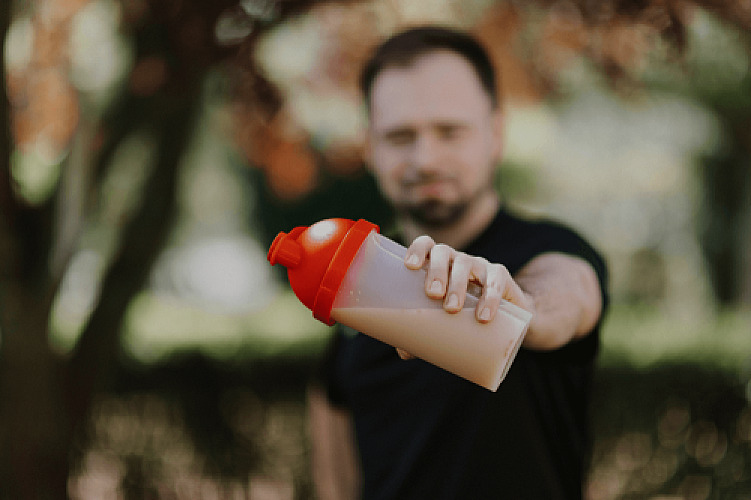
Diet and exercise can give you a hormone boost.
The Link Between Diet and Testosterone
Nutrition has a direct impact on testosterone production. “The best way to naturally boost testosterone levels is to eat a nutritionally balanced diet. I encourage you to? prioritize whole foods and limit highly processed products and moderate alcohol consumption (reduces testosterone levels and impairs hormone production). The best foods to support optimal testosterone health? and? naturally? boost T levels are fatty fish (contains DHA- an omega 3 fatty acid), oysters (selenium and more zinc per serving than any other food), dark leafy greens? (excellent source of micronutrients, including magnesium), pomegranates? (contains flavonoid antioxidants)? and herbs? (Ginseng, Ashwagandha, Fenugreek Seed and Forskohlii Root).” – Omar Sitto B.S., CPT, CNC, CSNC, SFC, PES, BCS, CWC, DBC, PTS, AIS, CAMT-I & II, AFPA Performance Coach and Fitness Owner at https://www.consistencykills.com. Essential fats, proteins, vitamins, and minerals provide the building blocks for hormone synthesis. A diet rich in these nutrients supports healthy testosterone levels and overall hormone balance. Alongside diet, lifestyle factors like sleep, stress management, and regular exercise also play crucial roles in optimizing testosterone levels.
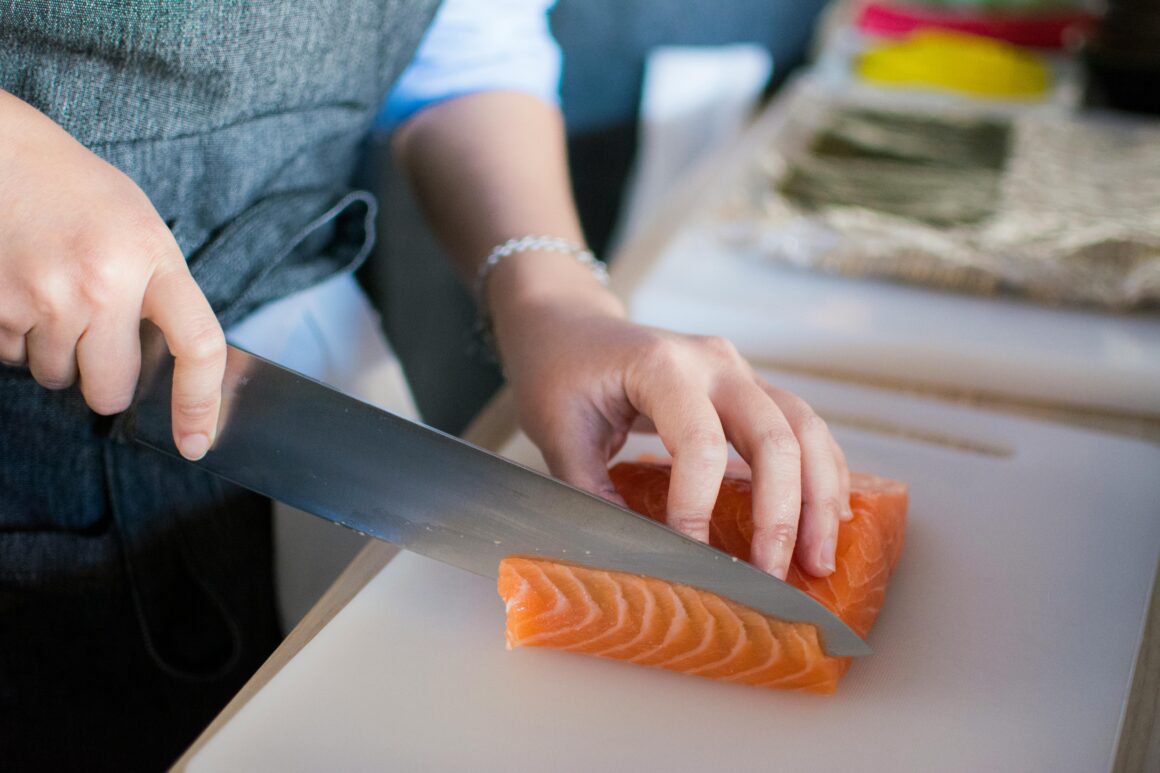
Healthy Fats, like Salmon, Boost T Levels Naturally.
Key Nutrients for Testosterone Production
Healthy Fats
Fats are crucial for testosterone production. Omega-3 fatty acids, monounsaturated fats, and certain saturated fats help maintain healthy hormone levels. Adequate dietary fat has been linked to higher testosterone levels (Numan, 2025).
Sources: Fatty fish (salmon, mackerel), avocados, nuts, seeds, and extra virgin olive oil.
Zinc & Magnesium
Zinc plays a central role in testosterone synthesis, while magnesium enhances zinc’s function. Zinc deficiency is associated with low testosterone, but supplementation only benefits those with low levels. Magnesium, on the other hand, has consistently been positively correlated with higher testosterone levels (Healthline, 2025).
Sources: Oysters, shellfish, nuts, seeds, leafy greens, and dark chocolate.
Vitamin D
Vitamin D, often called the “sunshine vitamin,” is essential for testosterone production. Studies show that men with lower levels of vitamin D are more likely to have low testosterone (Harvard Health, 2025).
Sources: Sunlight exposure, fatty fish, egg yolks, and fortified foods.
Protein
Adequate protein intake supports muscle growth and recovery, both of which are linked to healthy testosterone levels. It is important to balance protein with carbohydrates to prevent high-protein diets from negatively affecting testosterone (Numan, 2025).
Sources: Lean meats (chicken, beef, turkey), eggs, and high-quality plant-based proteins like legumes.
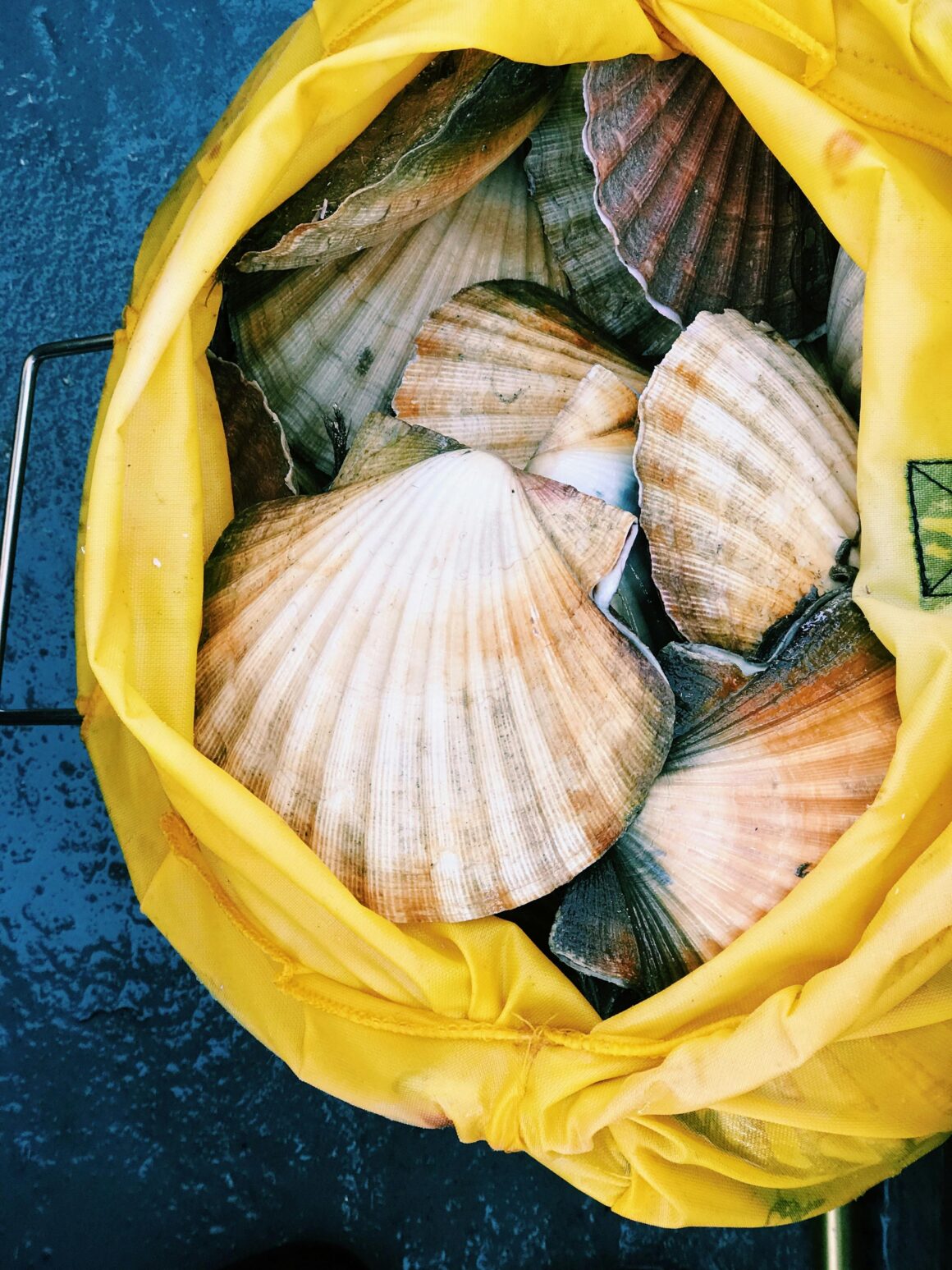
Boost Your T Level with Shellfish
Best Foods to Naturally Boost Testosterone
Eggs
Eggs are packed with cholesterol (a precursor to testosterone), healthy fats, and vitamin D, making them a go-to food for boosting testosterone.
Fatty Fish
Fatty fish such as salmon, sardines, and mackerel are rich in omega-3 fatty acids and vitamin D, both of which promote hormonal health.
Shellfish
Oysters are especially high in zinc, which is critical for testosterone production. Other shellfish, such as shrimp and crab, are also excellent sources.
Leafy Greens
Magnesium-rich vegetables like spinach, kale, and Swiss chard support testosterone levels by combating inflammation.
Avocados
Avocados are loaded with monounsaturated fats and B vitamins, both of which are beneficial for testosterone regulation.
Nuts and Seeds
Brazil nuts, pumpkin seeds, and chia seeds are rich in selenium, zinc, and healthy fats, all contributing to testosterone health.
Pomegranates and Berries
These antioxidant-rich fruits help reduce oxidative stress, which can damage testosterone-producing cells.
Garlic & Onions
Garlic and onions contain allicin, a compound that lowers cortisol (a stress hormone) and helps maintain testosterone levels (Healthline, 2025).
Dark Chocolate
Rich in magnesium and flavonoids, dark chocolate (85%+ cocoa) supports testosterone production and improves blood flow.

Processed foods, like instant ramen, can negatively impact hormones.
Foods to Avoid That Lower Testosterone
Processed Foods & Trans Fats:
These foods raise inflammation and disrupt hormone production.
Excessive Sugar & Refined Carbs:
High sugar intake leads to insulin resistance, which can suppress testosterone levels.
Alcohol:
Excessive alcohol, especially beer, can raise estrogen levels and lower testosterone.
Excess Soy Products:
While moderate soy consumption doesn’t affect testosterone, excessive intake may influence hormone production due to its phytoestrogen content.

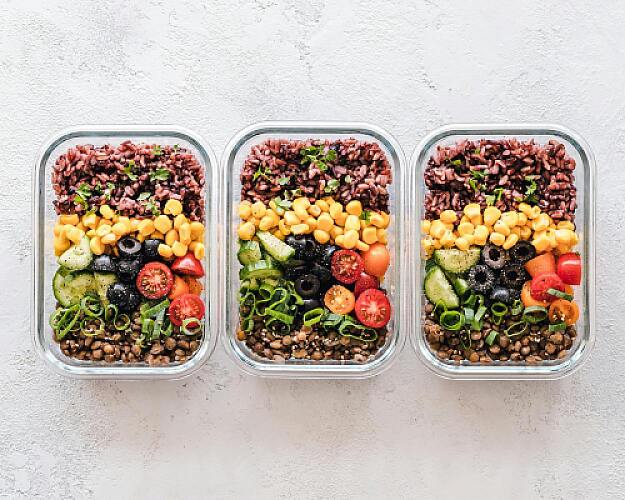
Meal Plan to boost your t levels naturally.,
Sample Testosterone-Boosting Meal Plan
Here’s how you can incorporate testosterone-boosting foods into your daily routine:
Breakfast:
Scrambled eggs with spinach and avocado, paired with a handful of nuts.
Lunch:
Grilled salmon served with quinoa and a leafy green salad.
Snack:
Pumpkin seeds and a square of dark chocolate.
Dinner:
Grass-fed beef steak with roasted Brussels sprouts and sweet potatoes.
Conclusion & Key Takeaways
A balanced diet rich in testosterone-boosting nutrients is essential for optimal hormone health. Key nutrients like zinc, magnesium, and vitamin D, found in foods like eggs, fatty fish, and leafy greens, support testosterone production. Avoiding processed foods, trans fats, and excessive alcohol will help preserve your hormonal balance. Alongside a healthy diet, incorporating regular exercise, quality sleep, and stress management can keep your testosterone levels in check and help you thrive at any age.
Works Cited
Healthline: Testosterone-Boosting Foods
Harvard Health: Lifestyle Strategies to Help Prevent Natural Age-Related Decline in Testosterone

Jenica “Hen” Weyand is a seasoned writer and creative professional with over 20 years of experience in brand storytelling, art, fashion, trends, and lifestyle. With a background in theater, design, and brand experience, Jenica continues to shape conversations around art, style, and modern living.
Jenica Weyand



Leave a Comment
Your email address will not be published. Required fields are marked *