
I’ve lost count of the nights I’ve spent staring at the ceiling before something important. A presentation I’d prepared for weeks. An early flight I couldn’t miss. The mental math of “if I fall asleep right now, I’ll get five hours” slowly becoming “four hours” and then some.
If you’ve been there, you know the frustration: the more you need to sleep, the harder it becomes.
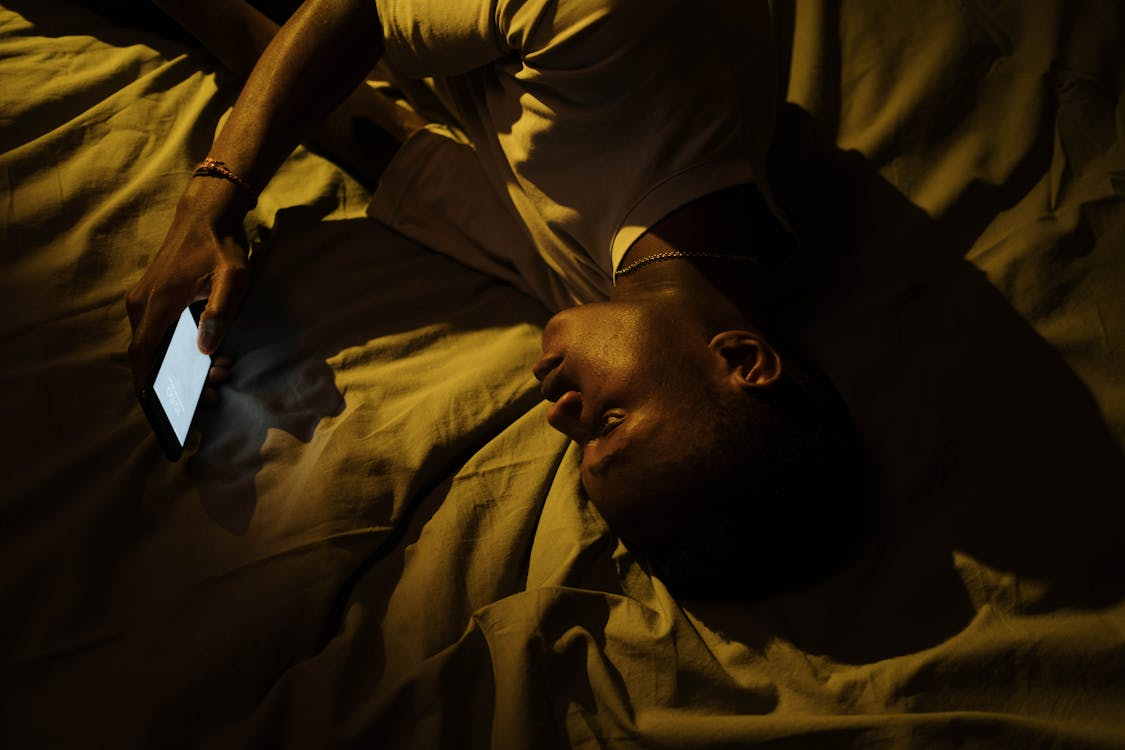
Tomorrow matters. The presentation that could define your quarter, the race you’ve trained months for, the flight that starts a critical deal. You’ve prepared for everything except the one thing you can’t force: sleep. It’s midnight, then 1 AM, then 2 AM. Your mind cycles through scenarios, your body refuses to relax, and the mounting pressure only makes it worse.
This isn’t chronic insomnia. You sleep fine most nights. But when the stakes are high, your brain shifts into hypervigilance mode, treating rest like a luxury you can’t afford. The sympathetic nervous system floods your body with cortisol and adrenaline, preparing you for a threat that won’t arrive until morning. It’s a physiological response designed to keep you alert when danger approaches, except the “danger” is a presentation or a negotiation, and being alert at 2 AM helps nobody.
Why Your Current Strategy Isn’t Working
You’ve tried the drugstore solutions: melatonin gummies, magnesium glycinate, chamomile tea. And occasionally, they help. But more often, you lie there wondering if you took enough, or too much, or if tonight’s batch even contains what the label claims.
There’s a reason for the inconsistency. OTC melatonin supplements vary wildly in actual content, with some containing 83% less or even 478% more than labeled. Over 71% of products fail to meet their claims. No FDA regulation means no quality control. One bottle might work; the next does nothing.
More fundamentally, most OTC options address only one phase of sleep. They might help you feel drowsy, but they don’t keep you asleep when your mind kicks back into gear at 3 AM. And they certainly don’t guarantee you’ll wake up clear-headed rather than groggy.
Maybe you’ve also tried the behavioral approaches: sleep hygiene protocols, screen curfews, meditation apps. These can help on normal nights. But when your brain is running pre-game scenarios on loop, no amount of box breathing overcomes raw neurochemistry.
For occasional sleeplessness before critical events, you need something designed for exactly that scenario: not a daily medication, not an unregulated supplement, but a targeted solution for nights when failure isn’t an option.
The Prescription Difference

RUGIET RECHARGE
Rugiet is known for innovative compound medications in men’s sexual health, with products like Ready and Go Long. Rugiet Recharge applies the same philosophy to sleep: combining three clinically-studied components in a single formulation rather than leaving you to guess at supplement stacks.
The formula includes 8mg of ramelteon, 25mg of doxylamine, and 500mg of valerian root. Each addresses a different phase of the sleep problem.
Ramelteon is an FDA-approved selective melatonin receptor agonist with significantly higher binding affinity than over-the-counter melatonin. While drugstore melatonin might reduce sleep latency by about seven minutes, ramelteon works through your brain’s circadian regulation system to promote sleep onset without sedation.
Recent meta-analyses confirm ramelteon produces significant improvements in sleep latency and sleep quality compared to placebo. That distinction matters: you’re not being knocked out; you’re helping your brain recognize it’s time to sleep.
As an antihistamine that blocks H1 receptors, doxylamine helps maintain the sleep state, reducing nighttime wakefulness that derails occasional sleepers. Ramelteon gets you to sleep; doxylamine keeps you there.
Valerian root provides the third mechanism: enhanced GABA activity for natural relaxation without synthetic sedation. Studies show it improves subjective sleep quality, particularly when combined with other sleep-supporting ingredients.
Three mechanisms, one formulation, designed specifically for occasional use when sleep can’t be left to chance.
What Makes This Different from Other Sleep Medications

The reason most people hesitate with sleep aids comes down to two concerns: dependence and next-day fog. Benzodiazepines and Z-drugs earned their reputation honestly. They work, but they also build tolerance, carry abuse potential, and leave many users groggy the next morning.
Ramelteon operates differently. It has no abuse potential and isn’t classified as a controlled substance by the DEA. It doesn’t cause next-day residual effects when used as directed, a finding confirmed in recent clinical trials comparing sleep medications in older adults. Because it works with your circadian system rather than sedating you into unconsciousness, occasional use doesn’t create the tolerance cycle that makes other sleep medications problematic.
Recharge is designed for up to four uses per week. Take two tablets 30 minutes before bed, avoid high-fat meals that delay absorption, and wake up without the cognitive hangover that defeats the purpose of sleeping well before an important day.
It’s available through telemedicine: a short questionnaire, physician review, and direct-to-door shipping if approved. Pricing starts at $3.75 per dose (HSA/FSA-eligible), covering the consultation, prescription, medication, and ongoing physician access.
When Tomorrow Is Non-Negotiable
RUGIET RECHARGE
This isn’t for chronic insomnia or nightly use. It’s a strategic tool for specific moments: the night before the event that matters, the evening before the morning that counts, the hours before you need to show up at your absolute best.
You don’t use it because you might have trouble sleeping. You use it because you worry about what’s at stake if you just show up instead of showing up sharp.
Rugiet Recharge handles the night before so that you can handle the morning after.
Are you ready?
Prescription products require an online consultation with a healthcare provider. The featured products include compounded products that have not been approved by the FDA. The FDA does not verify the safety or effectiveness of compounded drugs.







Leave a Comment
Your email address will not be published. Required fields are marked *