
Every product is independently selected. Things you buy through our links may earn us a commission.
If you train consistently after 40, the supplement question gets simpler once you stop treating every product like it does the same job. Creatine vs. protein powder after 40 is not a contest between interchangeable powders. Protein supplies amino acids your body uses to repair and maintain muscle, while creatine supports the rapid energy system that helps you produce force during hard efforts.
You need enough total protein whether it comes from food, shakes, or both. Creatine is a performance add-on that makes the most sense when you lift, sprint, or train with repeated high-intensity efforts.
Know The Difference
Protein supplies amino acids used to build and repair muscle tissue. Creatine is stored in muscle as phosphocreatine and supports rapid ATP regeneration during short, intense efforts. Neither replaces the other.
Compare The Roles
Category | Protein Powder | Creatine Monohydrate |
|---|---|---|
Primary role | Helps reach daily protein targets | Supports rapid energy during intense efforts |
Provides | Amino acids | Creatine support |
Best use | Filling a protein gap | Strength, power, and repeated efforts |
Typical serving | 20–30 g protein | 3–5 g creatine |
Timing | Total daily intake matters most | Daily consistency matters most |
Main trade-off | Calories, lactose, sweeteners, or digestion | Possible scale increase from water stored in muscle |
Decide If You Need Both
Choose protein powder first if you regularly fall short of your daily target, have low-protein meals, struggle to eat after training, or need a portable option. Consider creatine if you perform resistance training two or three times weekly and can take it consistently.
Set The Dose
A useful protein serving often provides 20–30 g. Creatine commonly uses 3–5 g daily. Loading with approximately 20 g daily for 5–7 days is optional, not mandatory. Pairing both in one shake is fine because they perform separate jobs.
Approved Product Options
Optimum Nutrition Gold Standard: Best Everyday Protein
Optimum Nutrition Gold Standard is a practical daily protein option. A separate creatine product is needed for both functions.
.webp "Optimum Nutrition Whey Protein Banana Cream")
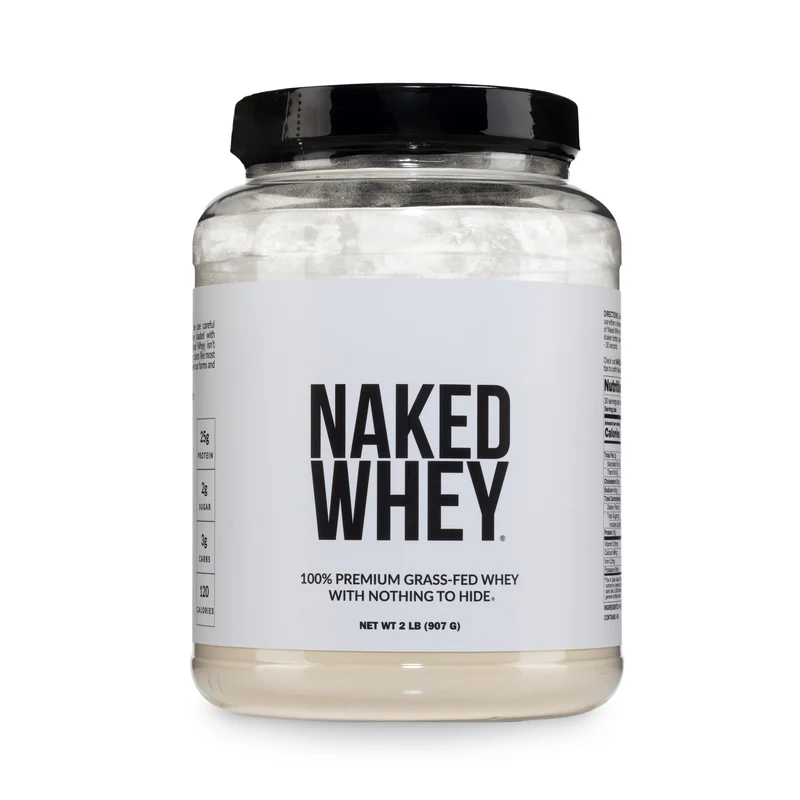
Naked Whey: Best Minimalist Protein
Naked Whey provides a simple whey formula. Whey concentrate may contain more lactose than isolate.
Nutricost Creatine: Best Value Creatine
Nutricost Creatine Monohydrate supports a standard creatine monohydrate routine at a value-oriented position.
THORNE Creatine: Best For Testing Documentation
THORNE Creatine supports a 5 g serving and a strong testing signal. The trade-off is cost.
Naked Creatine: Best Simple Pair
Naked Creatine uses a simple creatine monohydrate formula.
Avoid Common Mistakes
Do not take creatine instead of enough protein. Do not take it only on training days if you are using it for saturation. Do not treat a shake as a complete diet. Do not buy blends without checking the actual dose.
The Practical Answer
For creatine vs. protein powder after 40, start with the gap that actually exists. If protein intake is inconsistent, choose a protein powder. If you already eat enough protein and train consistently, creatine monohydrate is the logical performance add-on.
Medical Disclaimer
This article is informational and not medical advice. Consult a qualified healthcare professional before starting creatine, increasing protein intake, or beginning an exercise program, especially if you have kidney disease, liver disease, cardiovascular disease, diabetes, digestive problems, or take prescription medication.





Leave a Comment
Your email address will not be published. Required fields are marked *