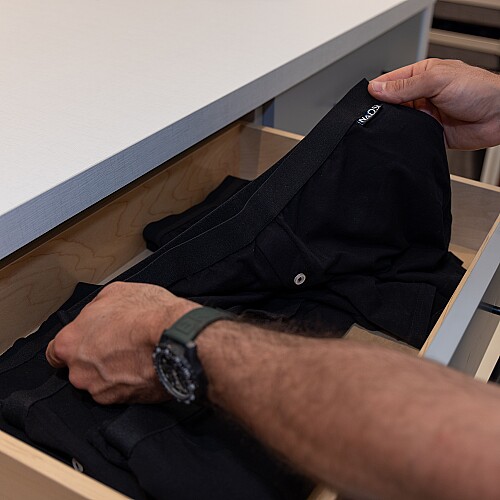
Open your underwear drawer right now. Out of the 10 or 12 pairs in there, how many would you reach for? For a lot of guys, it’s three or four. The rest have gone wider at the waistband, are so stretched out they bunch up in spots they shouldn't, or are basically Swiss cheese at this point.
When you bought your current stash, six-for-$24 probably sounded like a steal. You were thinking ahead, so you bought two value packs. Most of us do. Because no one ever showed us what else to look for. Every brand on that shelf wants you thinking in price and pairs per pack, not material quality or total lifespan.
The truth is, if you've never found a reason to look past the initial price, you could be missing out on what separates the best men’s underwear from a pair you’ll toss and replace without a second thought. And it's not just one small detail. It comes down to five important things:
Waistband
Fit
Chafing
Smell
Chemicals
When you consider everything that goes into the perfect pair, the cost per wear math just makes sense. Your underwear is literally hugging your jewels all day long. They deserve a better game plan and a bigger slice of your budget. The real cost? An extra nine cents/day, or less than $33.00/year. Stick with me to see why it's worth it.
The Waistband Weak Point
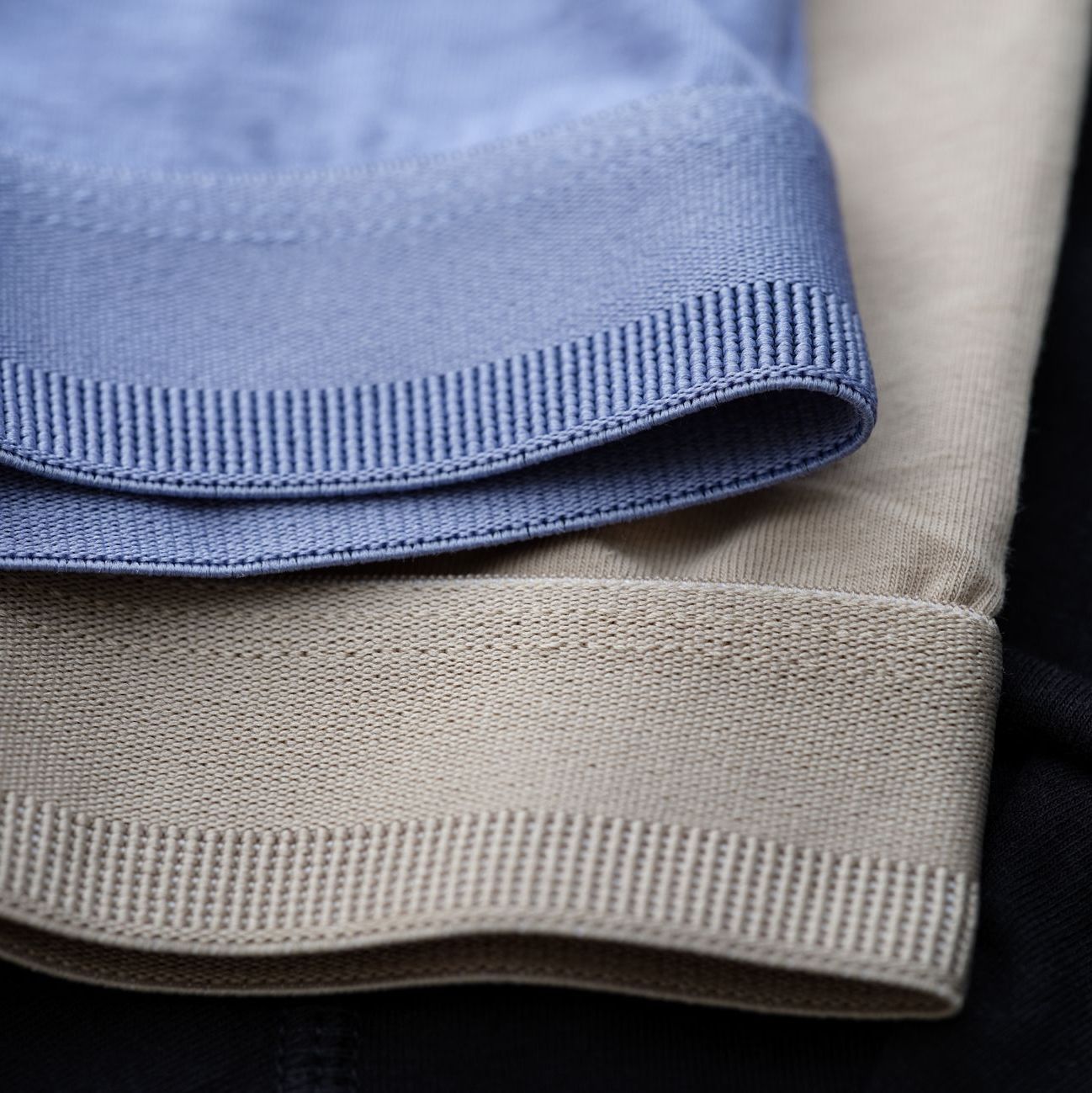
Pull on the waistband of your oldest boxers. If it’s gone slack or it curls under on itself instead of lying flat, blame the design, not bad luck. A narrow, basic band concentrates pressure into a small strip of skin. Once the elastic starts to wear, there’s nothing stopping it from folding over.
A better-built pair uses a wider, flat construction designed specifically not to roll, with no tag sewn in at the back to dig into you either. It costs more to engineer than a basic band, which is exactly why big-box packs skip it. It’s a small choice with a real payoff: a pair that still lies flat after 100 washes instead of curling after 10.
Fit Beyond the Size Tag
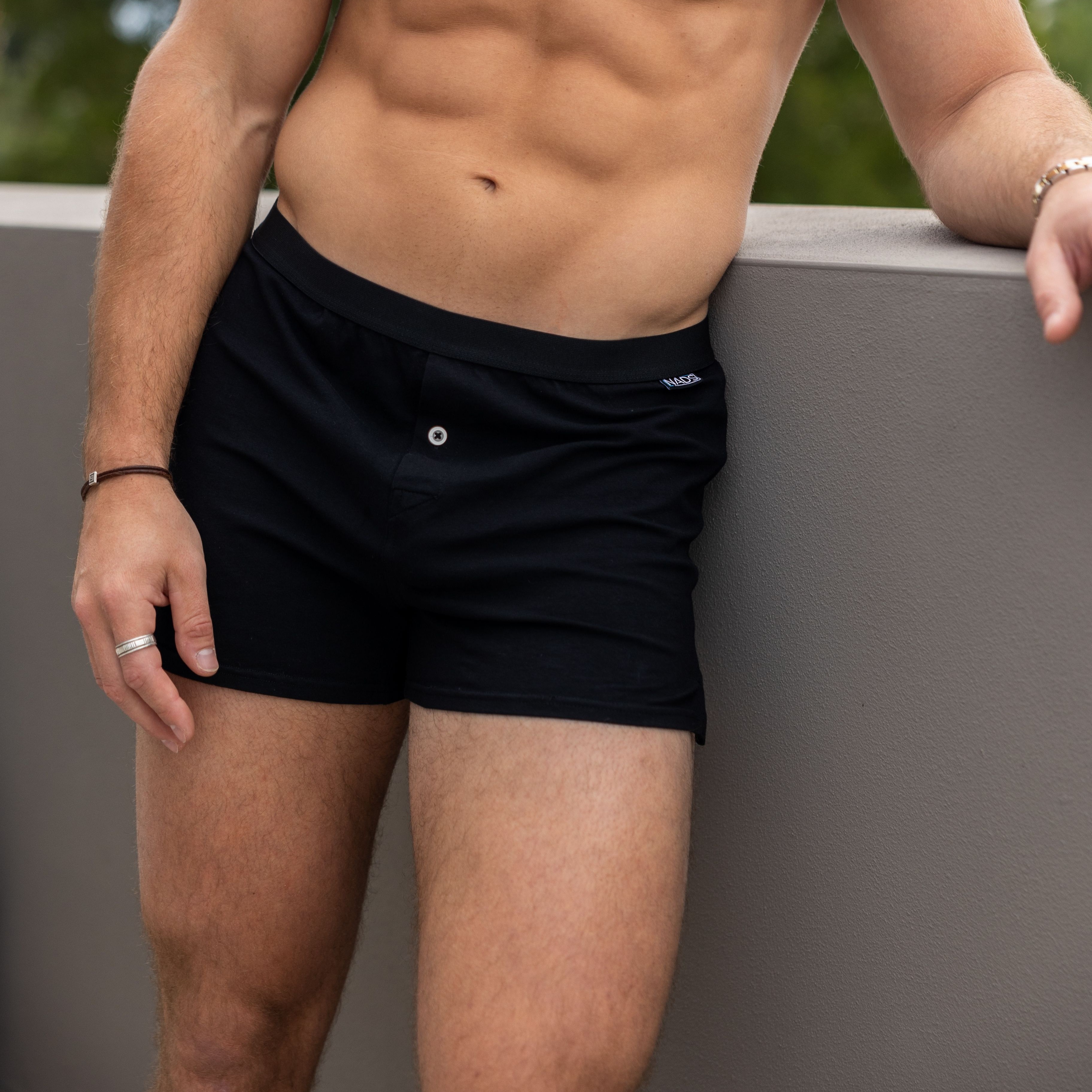
The “size” on the tag doesn’t explain why a pair fits great on day one and sags by month three. Cheap brands cut costs with short fibers, the kind mills spin quickly into bargain-bin cotton. Those break down fast and lose their shape with wear. Many also lean on a heavier dose of elastane to fake a good fit right out of the package, which falters the moment that stretch relaxes.
Better brands start with longer fibers that hold their structure, so a good pair still fits right long after a cheaper one has gone thin and baggy. They also use just enough elastane to hold shape without faking fit and keep it out of the crotch liner.
The Chafing Problem
You’ve worked out your own way to deal with chafing by now:
The powder that turns to paste an hour into a workout
The balm that works for race day but feels like overkill for a Tuesday commute
The spare pair in your gym bag for when the first ones quit by lunch
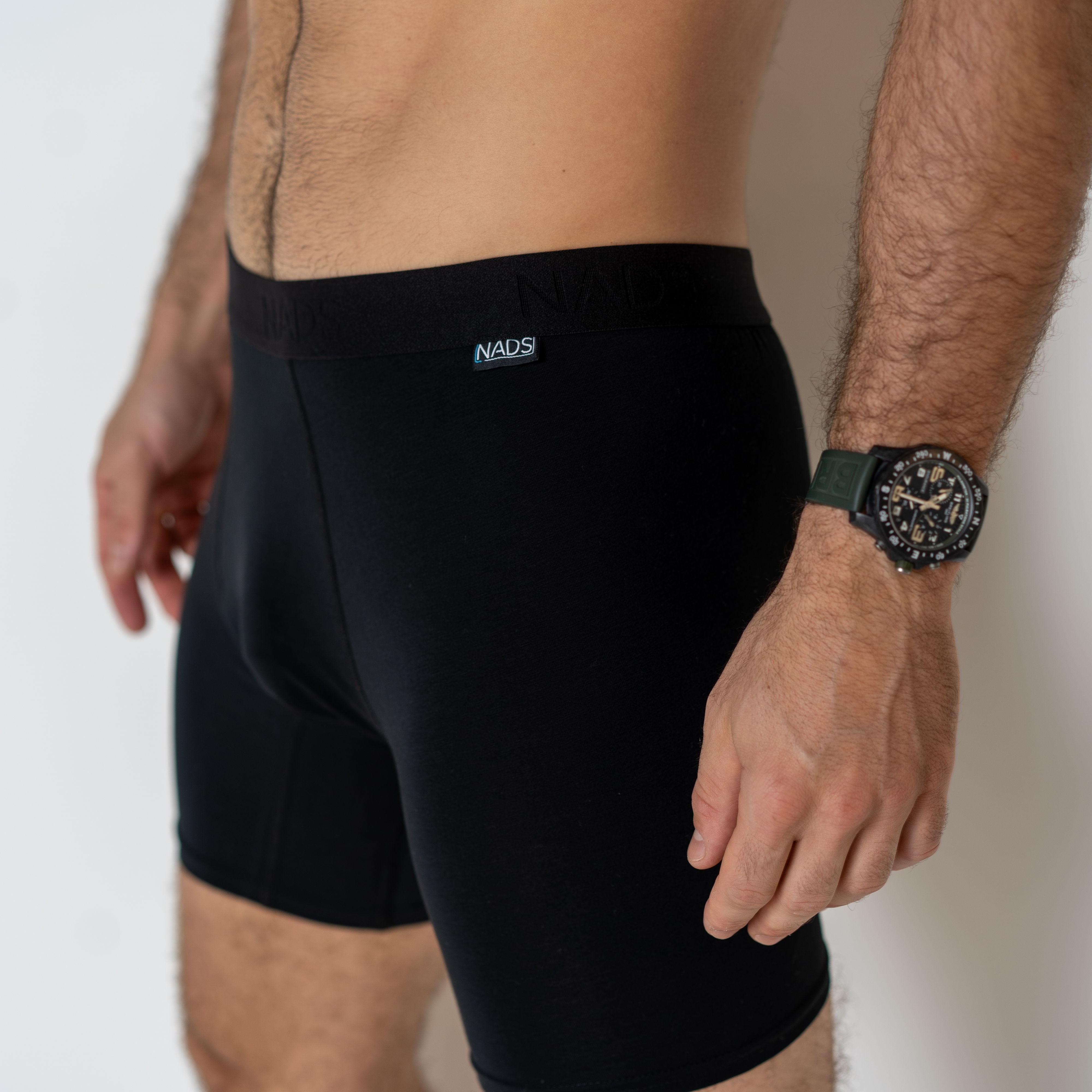
None of that fixes the underlying problem. Your underwear is causing the chafing, and no workaround changes that. A basic big-box pair is built to one generic shape for every size in the pack. That’s exactly why it shifts the moment you sit, stand, or walk.
The real fix is simpler than a system. Look for a longer inseam and a quad-hugging cut built to eliminate ride-up at the source. Compression styles engineered around that specific movement solve it instead of masking it.
The Smell You Can’t Wash Out
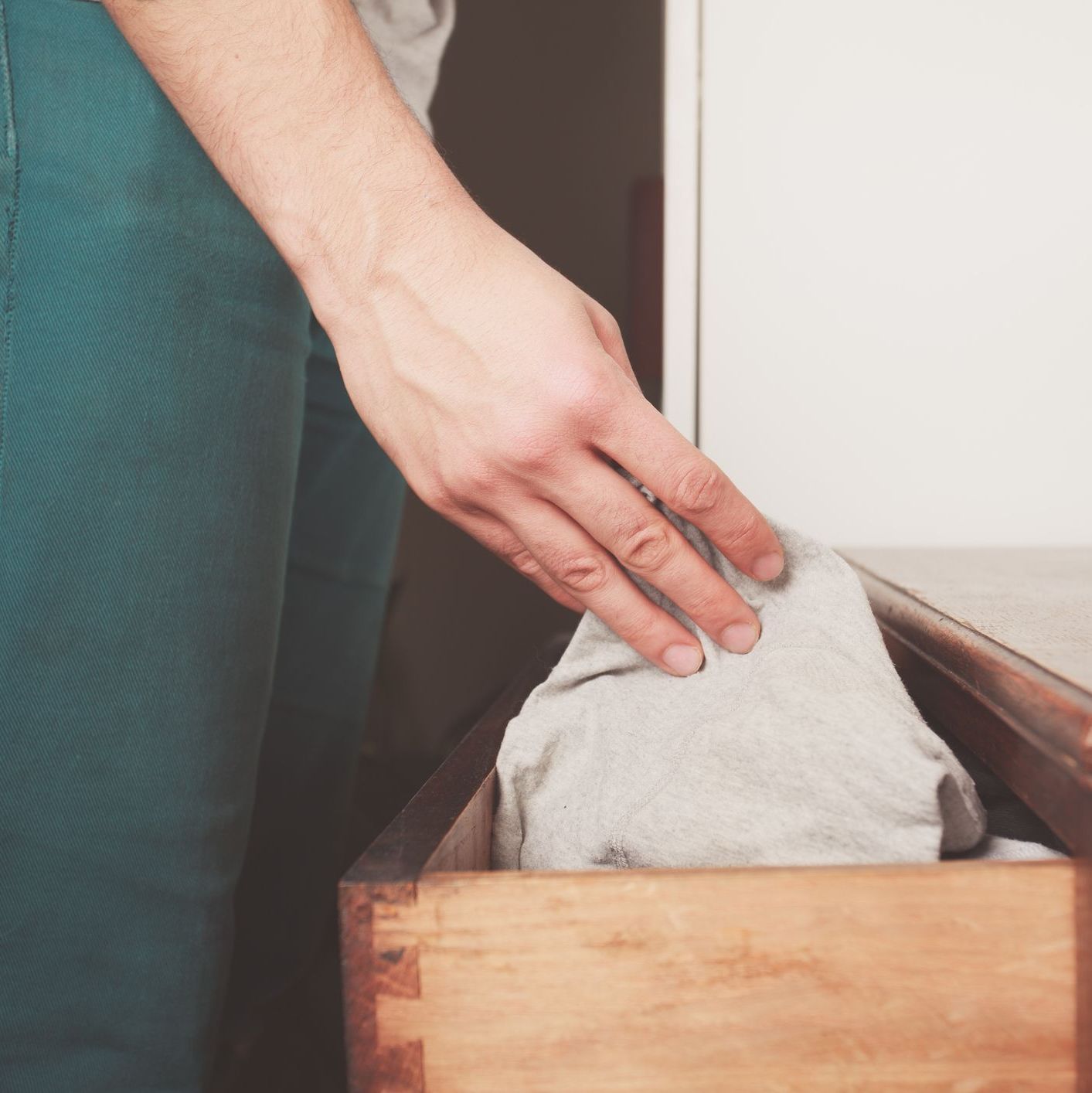
You launder them the same way every time, but some pairs never fully come clean. That’s not you. A big-box multipack is often heavy on polyester to cut costs, and that fabric traps heat and sweat against your skin, creating the exact conditions odor-causing bacteria need to thrive.
A 2025 review in Textile Research Journal found that smell intensity runs higher in hydrophobic fibers regardless of sweat composition, meaning cotton and wool consistently smell less than polyester after a hard day. Cotton breathes, so it releases heat instead of trapping it against your body. That’s why the best men’s underwear leads with cotton instead of blending it away with polyester.
The Chemicals Against Your Skin
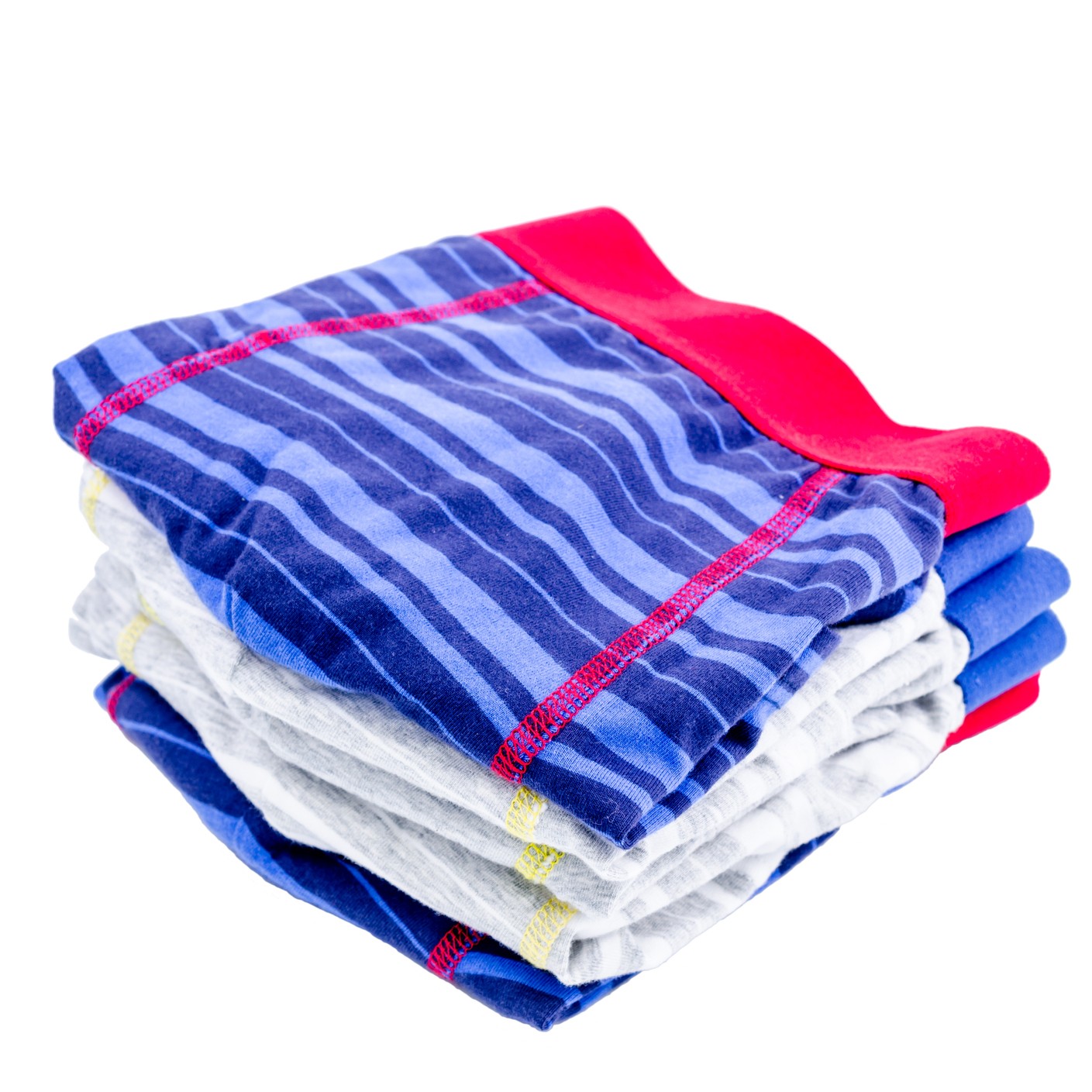
Almost nobody thinks about what their underwear is made of, and it presses against your most absorbent skin for 16+ hours a day, longer than any other garment you own. A 2024 study in Chemosphere found that certain dye chemicals in conventional textiles can migrate into sweat and get absorbed through the skin.
The individual exposure levels measured carried low non-carcinogenic risk, but it’s a reason to ask what’s woven into the material you’re wearing all day, every day. Look for a 100% organic cotton crotch liner and OEKO-TEX® certified dyes instead so that nothing unnecessary sits where you’re most exposed.
The Real Cost Per Day
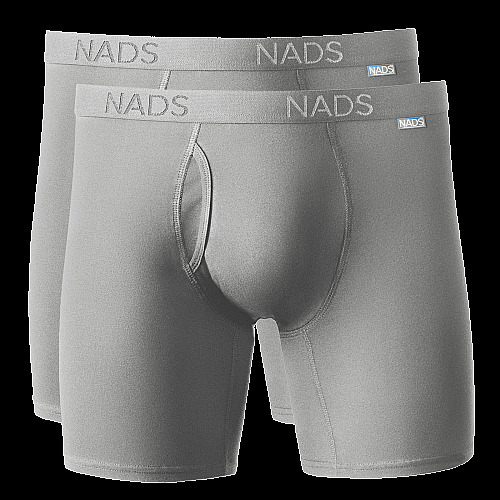
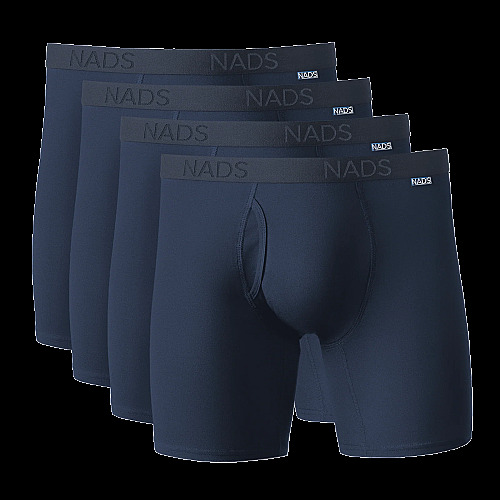
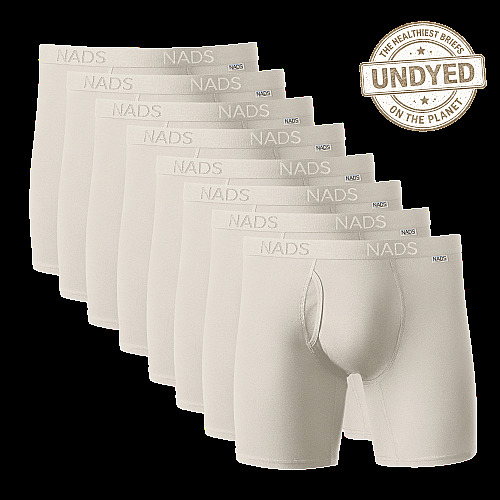
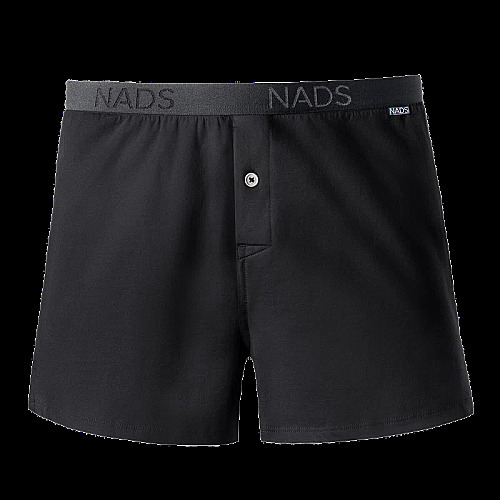
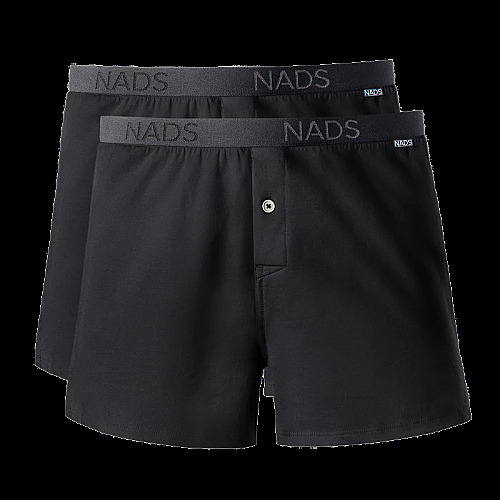
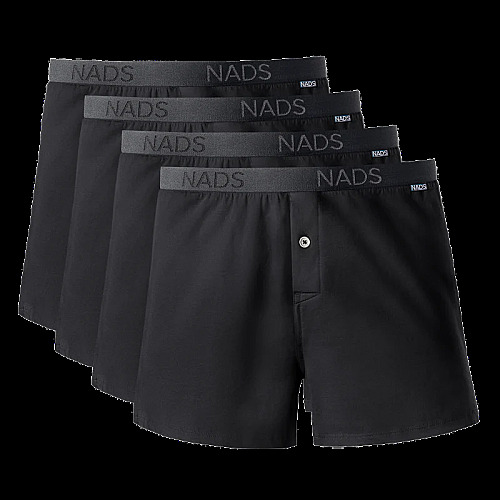
NADS builds its underwear around everything covered above. The waistband is flat, no-roll, and tagless at the back. The main fabric runs 95% GOTS-certified organic cotton with 5% BPA-free elastane, enough to hold its shape without sagging. The compression styles use a quad-hugging inseam built to stop ride-up at the source instead of masking it mid-day. The crotch liner is 100% organic cotton, and every dye is OEKO-TEX® Standard 100-certified.
Each pair costs $34, and according to the brand, can last for 12 to 18 months of regular wear. Spread across that window, you’re paying roughly 6–9 cents a day. For that price, you also get
Independent organic certification
A 90-day fit guarantee
A free first-time exchange if the size is wrong
Run that math against another value multipack, and the extra cost stops looking optional. Nine cents a day for some of the best men’s underwear you can get, materials that hold up, a fit that lasts, and a guarantee behind it? Worth it.
NADS offers discounted bundles in multiple style and size combinations, so you can overhaul your whole drawer, or you can simply start with a single pair of briefs or boxers.
All details were verified at the time of publication and are subject to change without notice. This article is for general informational purposes and is not a substitute for professional medical advice.
GOTS certification verifies organic farming and processing standards. OEKO-TEX® Standard 100 verifies testing against harmful substances. These certifications do not constitute medical claims.






Leave a Comment
Your email address will not be published. Required fields are marked *