
You took the pill. Maybe something happened, maybe it didn’t. You gave it a few tries, got the same inconsistent results, and landed on, “ED treatment just doesn’t work for me.”
That assessment is understandable, but it’s probably wrong. Standard ED medications improve blood flow by relaxing blood vessel walls, and when restricted circulation is the primary driver, they can work well. But when your body has been through the specific biological stress of combat service, circulation is rarely the whole story.
The missing link is how PTSD rewires the brain’s response to threat, how blast exposure can affect testosterone production, and how the medications treating those conditions sometimes add complications of their own. Together, that’s a picture a single-ingredient pill wasn’t built to address.
What the Research Shows About Combat Veterans and ED

Veterans with combat exposure face significantly elevated ED risk. A nationally representative study of 921 male US veterans found that serving in a combat role was associated with higher rates of erectile dysfunction. Veterans with ED in that cohort showed elevated rates of depression and multiple physical comorbidities, pointing to a problem that goes well beyond simple vascular factors.
Blast Exposure and Testosterone
Blast exposure adds another dimension. Concussions and blast injuries can damage a small gland at the base of the brain that controls testosterone production, and lower testosterone affects both libido and erectile function. A 2026 study of nearly 500 active-duty service members found that 6.7% had low testosterone resulting from pituitary disruption following mild traumatic brain injury. Standard ED treatment alone doesn’t address this factor.
PTSD and Sexual Function
A large VA cohort study of more than 405,000 male Iraq and Afghanistan veterans found PTSD was independently associated with sexual dysfunction. Rates were 3.6 times higher than among veterans with no mental health diagnosis, even after adjusting for comorbidities and psychiatric medications. For many men in this cohort, PTSD was disrupting sexual response at a stage that comes long before blood flow even becomes relevant.
A Different Demographic
These veterans also don’t fit the demographic most people picture when ED comes up. According to a 2025 RAND report, post-9/11 veterans average 41.6 years old. At that age, most men aren’t thinking about ED at all. That means when it shows up, the instinct is to grab the nearest generic and expect it to work. And when it doesn’t, the easiest conclusion is that nothing will.
What PTSD Does to the Body

PTSD gets discussed as a mental health condition, and that’s accurate. But it also drives physical changes that directly affect sexual response.
Think of it as two modes your brain can be in. In the first, called the parasympathetic state, it reads the situation as safe, blood flows where it needs to, and arousal happens naturally. In the second, the sympathetic state, it senses danger and shifts every resource toward survival. Heart rate climbs, attention narrows, and sexual function goes offline. PTSD keeps the brain locked in that sympathetic mode, even in low-stakes situations.
The Medication Factor
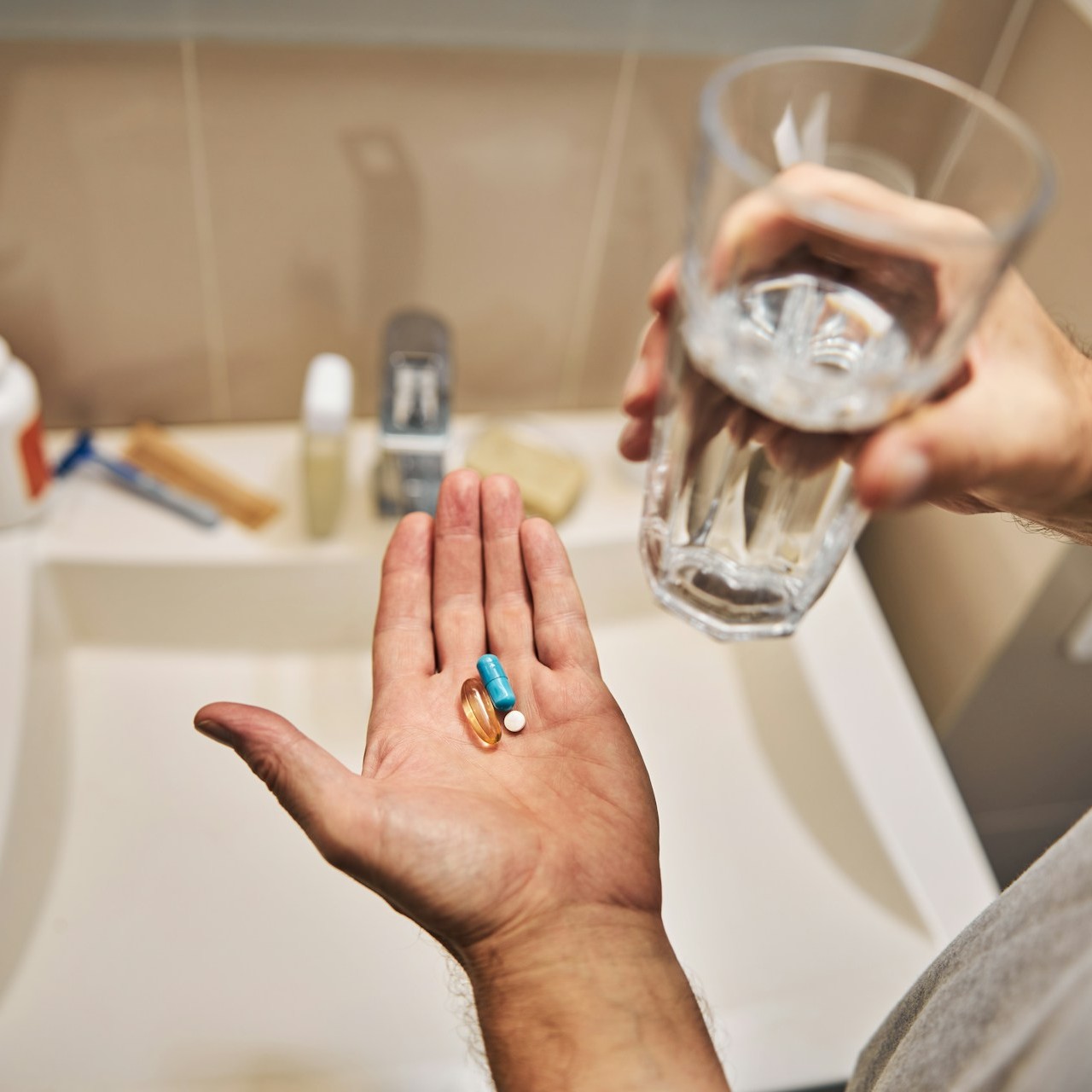
If you’re currently being treated for PTSD, in addition to therapy, you’ve probably been prescribed a medication or two to help deal with the symptoms. Some medications commonly used to manage PTSD and its related conditions carry sexual side effects as a documented trade-off. These medications offer high value and are essential in the treatment plan, but the pesky downsides rarely get discussed in detail with the patient.
Many veterans are unaware that their otherwise helpful medication may be adding to the mix. Wondering what went wrong and why this is happening to you can cause unneeded stress and self-blaming. But you’ve done nothing wrong; your situation is just a bit more complex.
You need a treatment plan that handles the blood flow issue but also keeps in mind the hormonal and neurological effects that often come with combat service. If other treatments have failed or been inconsistent, a formula that addresses multiple factors may perform very differently and is worth a try.
What a Multi-Mechanism Formula Offers

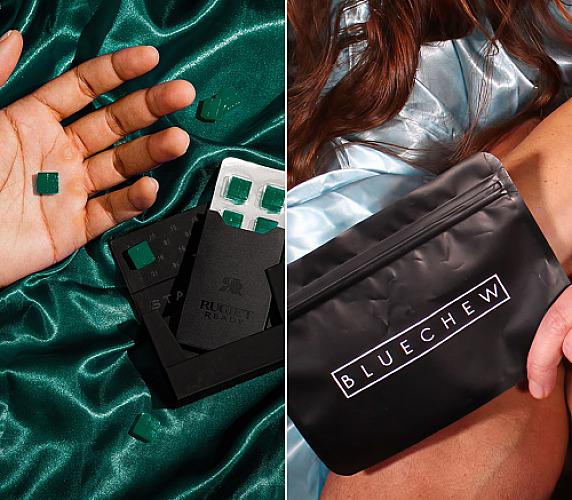
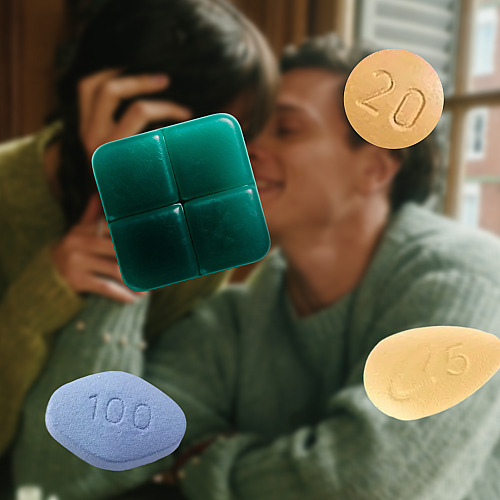
Rugiet Ready® is a compounded sublingual troche that combines three active ingredients, each targeting a distinct biological pathway involved in erection. That three-part approach separates it from standard single-ingredient options.
Sildenafil: A PDE5 inhibitor that helps improve blood flow by relaxing the blood vessel walls involved in erection
Tadalafil: A second PDE5 inhibitor with an extended active window of up to 36 hours, reducing the need to time doses precisely
Apomorphine: A dopamine receptor agonist that may help prime the brain for arousal, engaging the central nervous system pathway that PTSD tends to suppress
The apomorphine component is particularly relevant for men dealing with PTSD. Rather than targeting blood flow, it may help prime the brain for arousal by engaging the pathway that fight-or-flight mode tends to suppress. That doesn’t mean it works the same way for everyone. But for men whose ED involves that neurological layer, a formula that addresses it directly may perform differently than one that only targets circulation.
The troche dissolves under the tongue, entering the bloodstream directly without passing through the digestive system. This sublingual delivery can allow Ready to take effect faster than traditional oral ED pills, which typically take 30–60 minutes to work.
Ready is compounded and physician-prescribed, and a licensed physician customizes your formula to your health profile through a confidential online health assessment. Doses start as low as $7.29, and if a physician approves your prescription, it ships in discreet, unmarked packaging within 4–7 days, with no pharmacy trips and no VA involvement required. Rugiet Ready is also HSA/FSA-eligible for reimbursement.
Rugiet Ready is a compounded drug product and requires a prescription. Compounded drugs are not approved by the FDA and do not undergo review or verification by the FDA for safety, effectiveness, or quality. Prescriptions require an online consultation with a licensed provider who will determine if a prescription is medically appropriate. Individual results may vary. Visit rugiet.com for details, important safety information, and restrictions. This content is for informational purposes only and is not intended as medical advice. Consult your healthcare provider with questions about your condition. All details were verified at the time of publication and are subject to change without notice.





Leave a Comment
Your email address will not be published. Required fields are marked *